
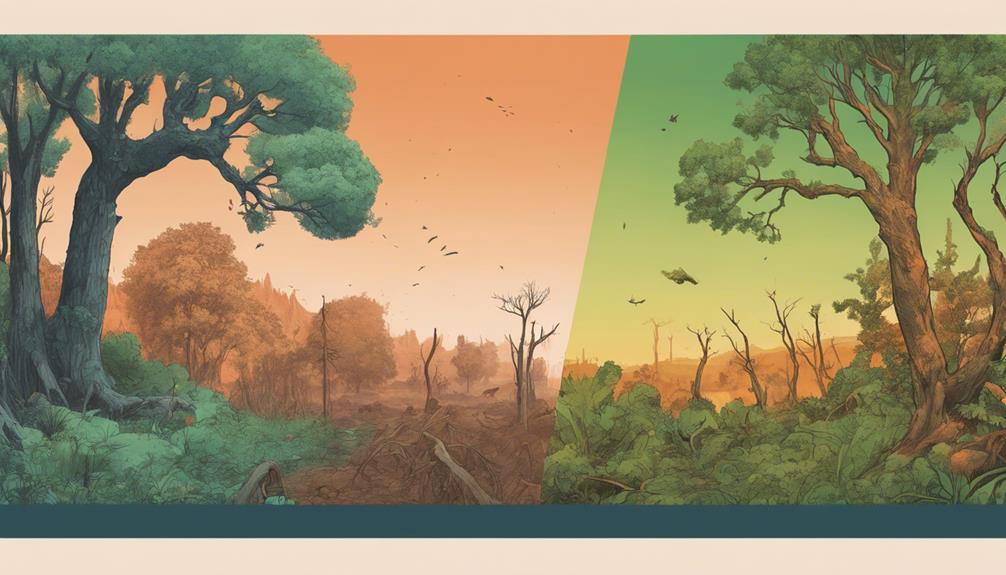
How Climate Change Is Impacting Global Ecosystems
On July 16, 2023 by William GreenClimate change is drastically altering the delicate balance of global ecosystems, triggering a cascade of devastating consequences. Coral reefs are disappearing, forest ecosystems are shifting, and Arctic tundras are melting at an alarming rate. Rising ocean acidification is dissolving coral reefs, while drought-stricken landscapes are expanding, exacerbating biodiversity loss. Biodiversity hotspots are vanishing, disrupting delicate ecological interactions. The consequences are far-reaching, from disrupted marine food chains to infrastructure damage and health risks. As the world grapples with these challenges, exploring the intricacies of climate change's impact on ecosystems will reveal the complexity and urgency of the crisis.
Disappearing Coral Reefs
Rising ocean temperatures, exacerbated by climate change, are triggering a catastrophic demise of coral reefs, often referred to as the 'rainforests of the sea,' which are not only breathtakingly beautiful but also essential for the livelihoods of millions of people and the health of entire ecosystems. Coral reefs provide habitat for a vast array of marine life, protect coastlines from erosion, and support commercial fisheries, making their loss a devastating blow to both the environment and humanity.
Ocean conservation efforts are critical to mitigating the damage, but it requires a collective effort from governments, organizations, and individuals. Reef restoration initiatives, such as coral nurseries and artificial reef construction, can help revitalize damaged ecosystems. However, these efforts are merely a Band-Aid solution to a much larger problem. To truly address the issue, we must combat climate change at its core by reducing greenhouse gas emissions and shifting to renewable energy sources.
The freedom to enjoy the beauty and bounty of coral reefs is being threatened by humanity's destructive habits. It is our responsibility to take action and safeguard the long-term preservation of these precious ecosystems. By adopting sustainable practices, supporting ocean conservation initiatives, and advocating for climate action, we can protect the future of coral reefs and the numerous species that call them home. The fate of these underwater wonders hangs in the balance, and it is up to us to take decisive action to protect them.
Shifting Forest Ecosystems
As global temperatures continue to rise, forest ecosystems are undergoing significant transformations, with far-reaching consequences for biodiversity and ecosystem function. One of the most notable shifts is the alteration of tree species composition, as some species struggle to adapt to the changing climate. Concurrently, the increased frequency and severity of forest fires are further disrupting these delicate ecosystems, leading to a cascade of effects that threaten the very fabric of our planet's forests.
Changing Tree Species Composition
Shifting environmental conditions are prompting a critical rearrangement of tree species composition in forests worldwide, with some species rapidly declining in abundance while others are experiencing unprecedented growth. As temperatures rise, many tree species are unable to adapt quickly enough, leading to a decline in their populations. Conversely, some species are thriving in these new conditions, outcompeting their rivals for resources. This shift in tree species composition has significant implications for soil adaptation, as changing tree species alter the soil's chemistry and structure. Moreover, the loss of certain species can compromise carbon sequestration efforts, as urban forestry initiatives may rely on these species to mitigate the urban heat island effect. Forest genetics play an important role in determining which species will thrive in a warmer world, and tree migration patterns are becoming increasingly important for ecological resilience. As the planet continues to warm, understanding these changes is essential for preserving the integrity of our forests and the ecosystem services they provide.
Forest Fire Increase
Wildfires are burning more frequently and intensely across the globe, with the 2019-2020 Australian bushfire season, for instance, witnessing an unprecedented 10 million hectares of land scorched, underscoring the alarming trend of forest fire increase. Climate change is a significant contributor to this trend, as rising temperatures and changing precipitation patterns create an environment conducive to wildfires. The length of fire season has also increased, allowing for more opportunities for fires to ignite and spread. The consequences of these fires extend beyond the immediate ecosystem, as smoke health impacts pose a significant threat to human well-being. Exposure to poor air quality can exacerbate respiratory issues and even lead to premature death. As the frequency and severity of wildfires continue to rise, it is essential to develop strategies for mitigating the effects of forest fires and protecting vulnerable populations from the resulting air pollution. By understanding the complex interplay between climate change and forest ecosystems, we can work towards preserving the health and resilience of our planet's crucial forests.
Melting Arctic Tundras
Frozen tundras, once vital for millennia, are now experiencing rapid thawing, leading to a cascade of ecological disruptions. The Arctic tundra, a vast and fragile ecosystem, is warming at a rate twice as fast as the global average, triggering a plethora of devastating consequences. Thawing permafrost, a hallmark of this crisis, is releasing massive amounts of methane and carbon dioxide, potent greenhouse gases that accelerate climate change.
The impact on Indigenous Communities, who have thrived in harmony with the Arctic environment for centuries, is particularly significant. As the tundra melts, their traditional ways of life are being disrupted, threatening their cultural heritage and very existence. The loss of sea ice, an essential hunting platform, is forcing many to adapt their subsistence practices, while the disappearance of traditional food sources is compromising their food security.
Furthermore, the thawing permafrost is also causing infrastructure damage, as buildings and roads sink into the melting ground. The release of ancient pathogens, frozen in the permafrost for millennia, poses a significant risk to human health. As the Arctic tundra continues to melt, the consequences will be felt far beyond the region, with far-reaching implications for global ecosystems and human societies. It is imperative that we take immediate action to mitigate climate change, protecting the Arctic tundra and the communities that depend on it.
Rising Ocean Acidification
Rising ocean acidification, a consequence of increased carbon dioxide absorption, poses a significant threat to marine ecosystems. As the pH levels of the ocean decrease, the delicate balance of these ecosystems is disrupted, leading to devastating consequences for coral reefs and the diverse array of marine life that inhabit them. This acidification has severe implications for the long-term health and survival of these ecosystems, highlighting the urgent need to address this pressing issue.
Coral Reef Devastation
Approximately one-quarter of the marine species rely on coral reefs for survival, yet these vibrant ecosystems are disintegrating at an unprecedented rate due to the escalating threat of ocean acidification. Rising carbon dioxide levels in the atmosphere are absorbed by oceans, causing a drop in pH levels, making it difficult for corals to build their skeletons and maintain their structure.
| Coral Reef Threat | Devastating Impact |
|---|---|
| Ocean pollution | Toxic chemicals and waste smother corals, reducing growth rates |
| Coastal development | Habitat destruction and increased sedimentation |
| Overfishing | Removal of key herbivores, allowing algae to overgrow corals |
| Climate change | Rising sea temperatures lead to coral bleaching |
| Acidification | Weakened coral skeletons, making them more susceptible to erosion |
As coral reefs continue to deteriorate, the consequences will be far-reaching, affecting not only marine biodiversity but also the livelihoods of millions of people dependent on these ecosystems. It is essential to address these threats and work towards preserving these crucial ecosystems, ensuring the freedom to thrive for generations to come.
Marine Life Decline
Marine Life Decline
More than 25% of marine species, including commercial fish and shellfish, are facing unprecedented threats to their survival as ocean acidification continues to intensify. The absorption of carbon dioxide by oceans is causing a rapid decline in pH levels, making it difficult for many marine organisms to build and maintain their shells and skeletons. This has devastating consequences for the entire marine food chain. As a result, many fish species are migrating to new habitats in search of more favorable living conditions, disrupting the delicate balance of marine ecosystems.
The formation of Ocean Deadzones, areas where life cannot thrive due to low oxygen levels, is further exacerbating the problem. These deadzones are expanding at an alarming rate, leaving many marine species with limited options for survival. The consequences of inaction will be catastrophic, with far-reaching impacts on the livelihoods of people dependent on fishing industries and the health of our planet as a whole. It is imperative that we take immediate action to reduce carbon emissions and mitigate the effects of ocean acidification before it's too late.
Drought-Stricken Landscapes
One in every five ecosystems worldwide has succumbed to drought, with arid landscapes expanding at an alarming rate, exacerbating the loss of biodiversity and ecological disruption. The relentless march of drought-stricken landscapes is a stark reminder of the devastating impact of climate change on our planet. As temperatures soar and precipitation patterns shift, the consequences of water scarcity are becoming increasingly dire. The effects of drought are far-reaching, with farmlands withering, forests dwindling, and wildlife habitats shrinking.
Soil degradation is another critical consequence of drought, as the absence of moisture causes soil to become dry, brittle, and prone to erosion. This not only affects agricultural productivity but also leads to the loss of fertile land, further exacerbating the problem. The cumulative effect of these changes is a fragile ecosystem, vulnerable to further disruption and collapse. As the frequency and severity of droughts continue to increase, the very fabric of our ecosystems is being torn apart. It is imperative that we take immediate action to mitigate the effects of climate change, invest in sustainable water management practices, and adopt innovative agricultural techniques to secure a livable future for generations to come. The window for action is rapidly closing, and the fate of our planet hangs precariously in the balance.
Vanishing Biodiversity Hotspots
As the Earth's climate continues to warm, the delicate balance of biodiversity hotspots is being drastically disrupted, with many of these precious ecosystems teetering on the brink of collapse. These unique regions, which harbor exceptional concentrations of endemic species, are facing unprecedented threats from climate change. Rising temperatures and altered precipitation patterns are altering the distribution and abundance of species, leading to habitat fragmentation and disrupting the intricate web of interactions within these ecosystems.
Species migration, a natural response to changing environmental conditions, is becoming increasingly difficult as habitats become fragmented and isolated. This, in turn, is exacerbating the loss of biodiversity, as species are unable to adapt to the rapidly shifting climate landscape. The consequences of inaction will be devastating, with the potential loss of entire ecosystems and the valuable ecosystem services they provide. The implications for human societies, which rely heavily on these ecosystems for clean air and water, food, and climate regulation, are dire. Efforts to mitigate these challenges must prioritize habitat restoration and connectivity to facilitate species movement and resilience. However, the ongoing impact of human activities on ecosystems, such as urbanization and pollution, continues to undermine these efforts, creating additional barriers to migration. Without urgent action to address both climate change and human-induced pressures, we risk reaching a tipping point from which our natural systems may not recover, leaving future generations to bear the consequences of our inaction.
Urgent action is needed to protect and preserve these biodiversity hotspots, ensuring the long-term health and resilience of our planet. This requires a concerted effort to reduce greenhouse gas emissions, preserve and restore natural habitats, and develop adaptive management strategies to facilitate species migration and adaptation. By working together, we can safeguard the rich tapestry of life on Earth and secure a freer, more prosperous future for all.
Frequently Asked Questions
Can Climate Change Be Reversed, or Is It Too Late?
'Did you know that just 100 companies are responsible for 71% of global emissions since 1988? (1) Reversing climate change is still possible, but time is of the essence. Carbon capture technologies can help mitigate emissions, but we must avoid crossing tipping points, beyond which ecosystems collapse. While it's not too late, inaction will soon make it so. We must take collective action to reduce emissions and shift to renewable energy sources, ensuring a sustainable future and preserving our freedom to thrive.'
How Does Climate Change Impact Human Mental Health?
The psychological toll of climate change is a pressing concern, as rising temperatures and extreme weather events exacerbate climate anxiety and eco-grief. As individuals feel overwhelmed by the magnitude of environmental degradation, mental health suffers. The looming threat of climate catastrophe fosters a sense of hopelessness, leading to increased stress, anxiety, and depression. It is essential to acknowledge the emotional burden of climate change and prioritize mental health support to empower individuals to address the crisis and work towards a sustainable future.
Are There Any Climate Change Benefits, or Is It All Negative?
It's intriguing to note that the same carbon dioxide emissions driving climate change also spur plant growth, a coincidence that highlights the complexity of this issue. Amidst the largely negative impacts, there are some silver linings. Climate change can create economic opportunities in renewable energy and sustainable infrastructure. Additionally, efforts to combat climate change, such as carbon sequestration, can also preserve natural habitats and promote biodiversity.
Can Individual Actions Really Make a Difference in Climate Change?
Individual actions can indeed make a difference in climate change. By adopting environmentally conscious personal habits, such as reducing energy consumption and waste, individuals can contribute to a collective impact. Additionally, community engagement plays a vital role in driving meaningful change. When individuals come together to advocate for climate policies and practices, they can influence systemic transformations. Every small action counts, and collective efforts can lead to significant positive change, ultimately promoting a freer, more sustainable future for all.
What Is the Role of Policy in Addressing Climate Change?
A million drops can form an ocean, and similarly, collective individual actions can create a tidal wave of change, but it is policy that provides the framework for a coordinated, large-scale response to climate change. Effective policy measures, such as carbon pricing and a robust regulatory framework, can harness the transformative power of collective action, enabling individuals and industries to innovate and thrive in a low-carbon economy.