
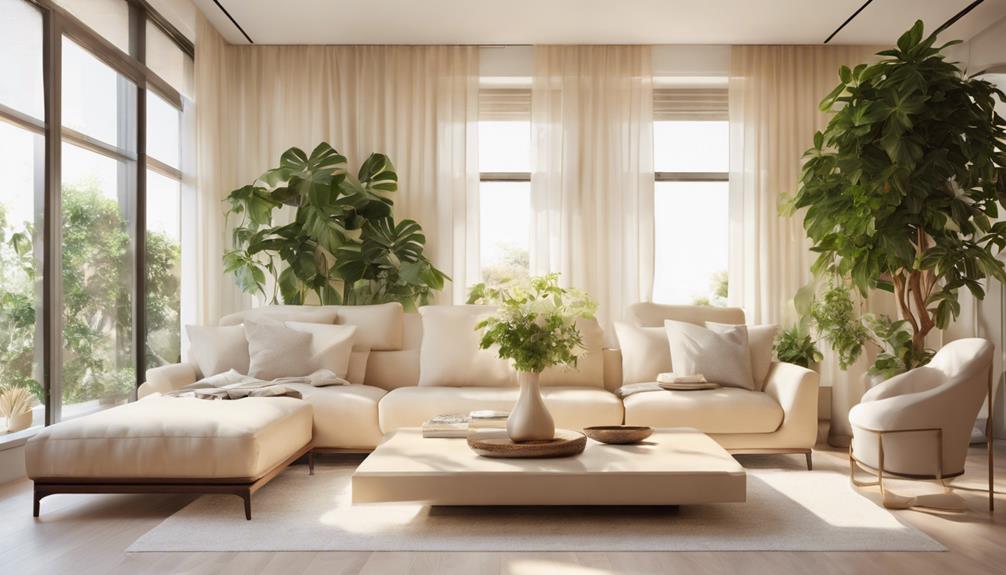
The Importance of Natural Light in Your Home
On June 1, 2023 by William GreenYou're probably missing out on the incredible benefits of natural light in your home. By letting sunlight in, you'll boost your mood and energy levels, and even elevate your productivity. Exposure to morning sunlight will regulate your circadian rhythm, ensuring you feel more alert and focused. Plus, natural light can reduce the risk of disease, improve your sleep quality, and even elevate your property value. It's time to discover the full potential of natural light in your home – and explore the amazing ways it can transform your daily life.
Boosting Mood and Energy
Natural sunlight streaming into your home can instantly boost your mood and energy levels, making you feel more alert and focused throughout the day. This is because exposure to natural sunlight triggers the release of serotonin, a neurotransmitter that helps regulate your mood, reducing symptoms of anxiety and depression. As a result, you'll experience improved mental health and overall well-being.
When natural light floods into your home, it increases your energy levels, making you feel more motivated and productive. This, in turn, can lead to heightened happiness and a sense of fulfillment. Picture waking up to a radiant and sunny morning, feeling rejuvenated and ready to tackle the day. The positive impact of natural light on your mental health is undeniable, and prioritizing it in your daily life is crucial.
To maximize the advantages of natural light, consider rearranging your furniture to face windows, swapping heavy curtains with lighter ones, and pruning any outdoor vegetation that may be obstructing sunlight. By doing so, you'll create a cozy and inviting atmosphere that fosters happiness and well-being. Remember, natural light is a potent tool in maintaining good mental health, and it's vital to leverage its benefits in your daily life.
The Impact on Productivity
By incorporating more sunlight into your workspace, you'll find yourself tackling tasks with renewed efficiency and completing projects in record time. This is due to the significant impact of natural light on your productivity. When you're working in a well-illuminated space, you're more focused, alert, and motivated. This, in turn, improves your work efficiency, allowing you to accomplish more in less time.
Here are just a few ways natural light can boost your productivity:
- Improved concentration: With natural light, you're less likely to get distracted and more likely to stay focused on the task at hand.
- Elevated creativity: Sunlight benefits your brain's creative centers, helping you come up with innovative solutions and ideas.
- Reduced eye strain: When you're working in a well-lit space, you're less likely to experience eye fatigue, which means you can work for longer periods without taking breaks.
Circadian Rhythm Regulation
You're likely no stranger to the feeling of being wide awake in the morning and sluggish in the afternoon, thanks to your internal clock, also known as your circadian rhythm. This natural process regulates your sleep patterns, hormone secretion, and overall bodily functions. Natural light plays a vital role in maintaining a healthy circadian rhythm. Exposure to sunlight in the morning helps regulate your body's internal clock, ensuring you feel alert and energized throughout the day.
On the other hand, a lack of natural light can disrupt your circadian rhythm, leading to issues like insomnia, fatigue, and lethargy. This is where light therapy comes in – a treatment that involves exposure to artificial light, mimicking natural sunlight, to help regulate your internal clock. By incorporating light therapy into your daily routine, you can improve your sleep patterns and overall well-being.
Sunlight is necessary for hormone regulation, particularly in the production of melatonin, the hormone responsible for inducing sleep. When you're exposed to natural light during the day, your body produces the right amount of melatonin at night, ensuring a restful sleep. Without sufficient sunlight, your body's melatonin production can be affected, leading to sleep disorders and other health issues. By letting natural light into your home, you're taking an important step towards maintaining a healthy circadian rhythm and overall well-being.
Reducing Risk of Disease
As you invite more natural light into your home, you're not just brightening up your space, but you're also taking a critical step in reducing your risk of disease. By doing so, you're allowing your body to benefit from the protective effects of UV rays and the necessary vitamin D boost that comes with them. By utilizing the energy of natural light, you're actively working to safeguard your health and wellbeing.
UV Ray Protection
Since excessive exposure to UV rays has been linked to various health issues, protecting yourself from them is important to reducing the risk of disease in your home. You can take simple yet effective measures to minimize the harm caused by UV rays.
Here are three ways to protect yourself:
- Install window treatments: Use UV-blocking window films, curtains, or blinds to filter out harmful rays. This is especially important for windows that receive direct sunlight.
- Apply sunscreen regularly: Use a broad-spectrum sunscreen with a Sun Protection Factor (SPF) of at least 30 when you're indoors, especially near windows. Don't forget to apply it to your skin 15-30 minutes before exposure.
- Wear eye protection: Wear sunglasses or glasses with UV protection when you're near windows or outdoors. This will help shield your eyes from UV damage.
Vitamin D Boost
Protecting yourself from UV rays is vital, it's important to strike a balance, as some UV exposure is necessary for your body to produce vitamin D, a nutrient that plays a significant role in reducing the risk of disease. When you get enough vitamin D, you're supporting your skin health and immune system, which can help prevent illnesses like osteoporosis and certain types of cancer. Additionally, vitamin D has been linked to improved mental health, reducing the risk of depression and anxiety. You're also supporting your bone density, which can prevent fractures and osteoporosis as you age. By getting some natural light in your home, you're taking a step in maintaining healthy vitamin D levels. It's crucial to find a balance between protecting your skin from UV damage and getting enough vitamin D. By doing so, you'll be reaping the benefits of natural light and keeping yourself safe.
Improving Sleep Quality
When you wake up to natural light, you're setting yourself up for a better night's sleep. By getting some morning sun exposure, you're helping your body regulate its internal clock, which can lead to improved sleep quality. Now, let's explore how morning sun exposure, darkness at night, and a boost to your circadian rhythm can all contribute to a more restful sleep.
Morning Sun Exposure
Your morning routine just got a whole lot brighter, as exposing yourself to natural sunlight in the morning helps regulate your circadian rhythms, leading to improved sleep quality. By doing so, you're telling your body that it's time to be awake and alert, making it easier to fall asleep at night.
Here are a few simple ways to incorporate morning sunlight exposure into your daily routine:
- Optimize window placement: Move your bed or favorite morning spot near a window that receives direct sunlight in the morning.
- Rearrange your furniture: Position your furniture in a way that allows sunlight to flood into the room, making it easier to wake up feeling refreshed.
- Start your morning routine outside: Take a few minutes each morning to step outside or sit on a balcony or patio to soak up some natural sunlight.
Darkness at Night
You've set yourself up for a restful night's sleep by getting morning sunlight, and now it's time to complete the cycle by creating a dark environment at night. Darkness is crucial for producing melatonin, the hormone that regulates sleep. When it's dark, your body knows it's time to wind down and prepare for a good night's sleep.
However, you don't have to sacrifice safety for darkness. You can use nighttime illumination that's designed to promote sleep, such as dim red lights or nightlights. These lights provide enough light for you to navigate your home safely without disturbing your sleep. You can also use blackout curtains or shades to block out any external light sources that might disrupt your sleep.
Creating a dark environment at night doesn't mean sacrificing ambiance. You can still create a romantic atmosphere with candles or string lights that emit a soft, gentle glow. This evening glow can help you relax and unwind before bed, making it easier to fall asleep and stay asleep throughout the night. By balancing darkness with safety and ambiance, you can create the perfect sleep environment that leaves you feeling rested and refreshed in the morning.
Circadian Rhythm Boost
By getting your daily dose of morning sunlight and maintaining darkness at night, you set your internal clock ticking, which can greatly improve your circadian rhythm and enhance sleep quality. This natural process helps regulate your body's physiological functions, leading to better rest and a stronger immune system.
Here are three ways to optimize your home for a circadian rhythm boost:
- Install smart lighting fixtures that gradually intensify in brightness to mimic natural daylight, helping you wake up feeling refreshed.
- Use window treatments like blackout curtains or shades to block out artificial light at night, ensuring a dark environment for better sleep.
- Create a morning sunlight routine, where you spend at least 10-15 minutes outside or by a sunny window to get your daily dose of natural light.
Enhancing Visual Acuity
Natural light floods your home, sharpening your focus and refining your visual clarity as it brightens the small details you might otherwise overlook. With natural light, you can see things more clearly, and it's crucial for preventing eye strain. When you're working or reading, natural light helps decrease the strain on your eyes, making it more comfortable for you.
| Benefits of Natural Light | Impact on Visual Acuity |
|---|---|
| Reduces Eye Strain | Improves color perception and diminishes fatigue |
| Improves Color Perception | Enables better contrast and visibility |
| Increases Energy Efficiency | Lessens the need for artificial lighting, conserving energy |
| Optimizes Window Placement | Maximizes natural light entry, diminishing glare |
Moreover, natural light also influences how you perceive colors. It helps you see colors more accurately, which is crucial for tasks that demand color precision, such as graphic design or painting. In addition, natural light is energy-efficient, decreasing the reliance on artificial lighting and saving you money on your energy bills. When planning your home design, consider the positioning of windows to maximize natural light entry and reduce glare. By doing so, you'll create a cozy and visually pleasing space that's gentle on the eyes.
Creating a Sense of Space
In well-lit rooms, spaciousness unfolds, making your home feel larger than it actually is. This sense of space is not just an illusion; it's a real benefit of incorporating natural light into your home decor. When sunlight pours in, it illuminates every corner, making your rooms feel more expansive and airy.
Here are three ways natural light can create a sense of space in your home:
- Minimizes shadows: By reducing dark areas, natural light helps eliminate the feeling of claustrophobia, making your rooms feel more open and spacious.
- Highlights vertical space: When sunlight streams in, it draws your attention upwards, emphasizing the height of your ceilings and creating a sense of verticality.
- Creates a sense of flow: Natural light can guide your eye through the room, creating a sense of flow and continuity, which in turn makes your space feel more expansive.
Increasing Property Value
Your home's value rises when you harness the potential of natural light, as it becomes a significant selling point for potential buyers. A well-lit home not just appears more welcoming but also seems more spacious, which can significantly impact its resale value. By integrating energy-efficient features, such as large windows and skylights, you're cutting down your energy costs while enhancing your home's appeal to potential buyers.
Strategic window placement is also vital in maximizing natural light. By positioning windows on the south side of your home, you can leverage the sun's natural warmth and light. This not just decreases the need for artificial lighting but also fosters a feeling of warmth and coziness, making your home feel more inviting.
In terms of interior design, natural light integration is essential. By utilizing light-colored materials and minimal window treatments, you can enable natural light to move freely throughout your home. This not just enhances the brightness and inviting feel of your home but also fosters a sense of safety and security. A well-lit home is less likely to attract unwanted attention, offering you and your family a feeling of peace and security. By integrating natural light into your home's design, you're not only boosting its value but also creating a safer and more welcoming living space.
Natural Light in Design
What role does lighting play in your daily routine, and how can you utilize its strength to enrich your home's atmosphere? As you design your home, it's crucial to take into account the impact of natural light on your daily life. Not just does it boost your mood and energy levels, but it also plays a significant role in creating a sense of safety and security.
When it comes to incorporating natural light in your design, here are a few key elements to keep in mind:
- Minimalism: Embrace natural light in minimalism by using sheer curtains, mirrors, and reflective surfaces to bounce light around the room. This creates a sense of airiness and openness, making your space feel more spacious and welcoming.
- Feng Shui: In Feng Shui, natural light is believed to bring positive energy into your home. By arranging furniture in a way that allows natural light to flow freely, you can create a harmonious and balanced atmosphere.
- Space Planning: Thoughtfully plan your space to maximize natural light. Take into consideration the orientation of your windows, the placement of furniture, and the use of light-colored paints and materials to reflect and amplify natural light.
Simple Ways to Get More
By installing skylights or larger windows, you can greatly increase the amount of natural light that enters your home. This is especially crucial if you have rooms that receive minimal sunlight exposure because of their window placement. Moreover, consider rearranging your furniture to maximize the natural light that enters each room.
Here are some other simple ways to get more natural light in your home:
| Tip | Description | Benefit |
|---|---|---|
| Use sheer window treatments | Permits natural light to filter in while maintaining privacy | Reduces the need for artificial lighting |
| Avoid heavy curtains | Prevents the obstruction of natural light | Improves mood and energy levels |
| Trim trees and shrubs | Enables more sunlight to enter your home | Enhances overall ambiance |
Frequently Asked Questions
Can Natural Light Reduce the Need for Artificial Lighting in My Home?
You're wondering if natural light can decrease your need for artificial lighting at home. The answer is affirmative! By maximizing natural light, you'll reduce energy costs, as well as improve your interior design. By doing so, you'll create a brighter, safer space that's ideal for daily activities. This simple switch can result in substantial energy savings, making your home a more comfortable and environmentally friendly haven.
How Does Natural Light Affect the Growth of Indoor Plants?
You're probably wondering how natural light affects the growth of indoor plants. Well, it's a game-changer! Natural light boosts plant growth by providing the necessary energy for photosynthesis. In an indoor environment, plants thrive when they receive direct sunlight, leading to stronger roots, vivid colors, and overall plant health. By placing plants near windows or using mirrors to reflect natural light, you'll create a nurturing space that promotes healthy growth and beauty.
Are There Any Downsides to Having Too Much Natural Light in a Room?
You might think more natural light is always better, but too much can be a problem. You'll struggle with glare control, making it hard to see your screen or TV. Window treatments can help, but you'll need to invest in the right ones. Plus, too much direct sunlight can heat up your space, affecting energy efficiency. Consider window placement when designing your room to avoid these issues and create a comfortable, safe space.
Can Natural Light Help Reduce the Appearance of Wrinkles on the Skin?
It's no coincidence that you're wondering about the connection between natural light and wrinkles. As you're probably aware, excessive sun exposure can accelerate skin aging. Yet, moderate exposure to the sun can actually help reduce wrinkles by promoting skin health. Vitamin D, which your skin produces when exposed to sunlight, can improve skin elasticity, reducing fine lines and wrinkles. Just remember to prioritize sun safety and skincare to reap the benefits yet minimizing risks.
Are There Any Specific Window Treatments That Can Enhance Natural Light?
When choosing window treatments, you'll want to prioritize energy efficiency to keep your home cozy and your bills low. Opt for light-filtering curtains or blinds that allow natural light to pour in as you maintain privacy. For added safety, consider motorized shades that can be controlled remotely, ensuring you're always in charge of the light entering your space. By selecting the right window coverings, you'll be able to bask in the benefits of natural light as you keep your home secure and comfortable.