
How Chemists Are Creating Sustainable Materials
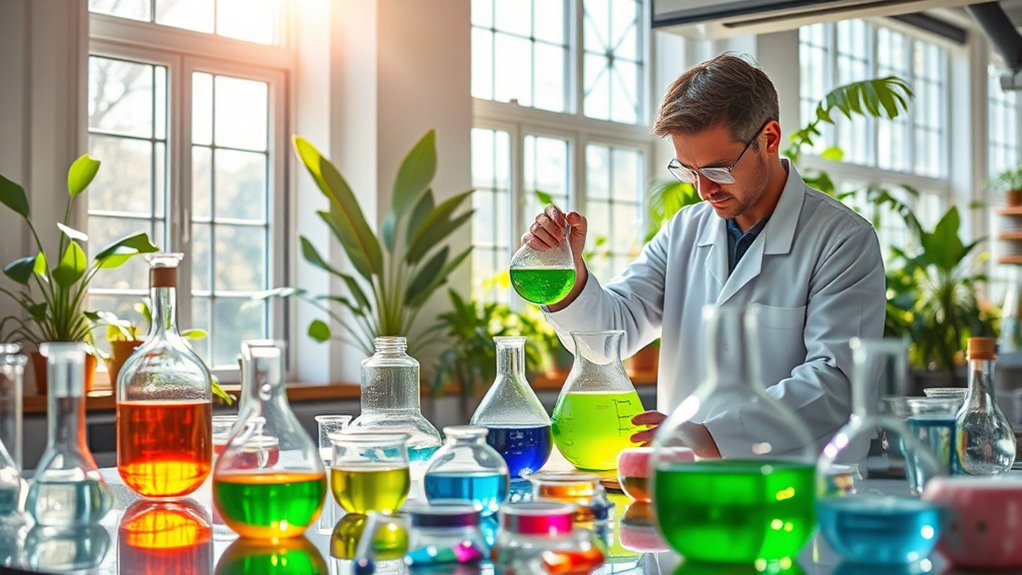
On June 22, 2025 by William GreenChemists are pioneering the development of sustainable materials by integrating principles of green chemistry. They focus on minimizing hazardous substances and maximizing the use of renewable resources. Innovations include biodegradable plastics made from agricultural by-products that reduce environmental harm and match the performance of traditional materials. Moreover, life cycle assessments are employed to evaluate the ecological impact from production to disposal. Advancements in smart materials and natural fibers emphasize recyclability and lower water usage. The commitment to creating a circular economy improves the sustainability of these materials, leading to impressive developments in environmental stewardship and resource efficiency. More insights await on this topic.
The Role of Green Chemistry
As the demand for sustainable practices in various industries intensifies, the principles of green chemistry emerge as a critical framework for minimizing environmental impact. Green chemistry encompasses a set of guidelines aimed at reducing the generation of hazardous substances and promoting the use of renewable resources. By emphasizing the design of chemical products and processes that are inherently safer and more efficient, green chemistry plays a pivotal role in advancing sustainable materials.
One of the fundamental concepts in green chemistry is the promotion of a circular economy, where materials are reused, recycled, and repurposed rather than discarded. This shift in perspective not only conserves valuable resources but also greatly reduces waste and pollution. By implementing processes that adhere to the principles of green chemistry, industries can innovate in ways that lead to the development of biodegradable and less toxic materials, which further diminishes their overall environmental impact.
Furthermore, green chemistry encourages the use of alternative feedstocks, such as biomass, which can minimize reliance on fossil fuels. This change not only lessens the carbon footprint of chemical production but also nurtures a more sustainable approach to resource management. By integrating these principles into their practices, chemists can contribute to a healthier environment while meeting the increasing demand for sustainable materials. In the end, the role of green chemistry is instrumental in guiding industries toward sustainable practices that align with the goals of both economic growth and ecological preservation.
Innovations in Biodegradable Plastics
Recent advancements in biodegradable plastics have primarily focused on the development of plant-based materials that offer sustainable alternatives to traditional petroleum-based options. Innovations in compostable materials are enhancing the functionality and environmental benefits of these plastics, as new recycling and upcycling methods are being explored to further reduce waste. Together, these efforts signify a pivotal shift in the direction of more sustainable practices in the plastic industry.
Plant-Based Plastics Development
As the demand for sustainable alternatives to traditional plastics continues to rise, innovations in plant-based plastics have emerged as a promising solution to mitigate environmental impact. These materials, derived from various plant sources such as corn, sugarcane, and cellulose, offer an eco-friendly alternative to petroleum-based plastics.
The development of plant-based plastics focuses not just on their biodegradability but also on enhancing their material properties to match or exceed those of conventional plastics. Advances in polymer chemistry have allowed researchers to modify the structure of plant-derived polymers, improving characteristics such as strength, flexibility, and thermal resistance. For instance, polylactic acid (PLA), a widely researched plant-based plastic, exhibits comparable tensile strength to some traditional plastics, making it suitable for various applications, including packaging and disposable items.
Furthermore, the use of renewable plant sources minimizes the carbon footprint associated with plastic production, contributing to a circular economy. By investing in plant-based plastics, industries can reduce reliance on fossil fuels and promote environmental sustainability. As research progresses, the potential for widespread adoption of these materials continues to grow, paving the way for greener alternatives in everyday products.
Compostable Material Innovations
Building upon the advancements in plant-based plastics, innovations in compostable materials are gaining attention as an effective strategy to address plastic waste. These materials, primarily derived from renewable resources, offer promising biopolymer alternatives that break down into natural substances, minimizing environmental impact.
Research in this field focuses on enhancing the properties of compostable plastics to guarantee they can replace traditional petroleum-based products without compromising functionality. For instance, scientists are developing blends of polylactic acid (PLA) with other biodegradable polymers, improving their mechanical strength and thermal stability. These innovations enable the creation of packaging and disposable items that can degrade efficiently in composting environments.
Furthermore, the integration of organic waste into the production of compostable materials is emerging as a sustainable approach. By utilizing agricultural by-products and food waste, researchers are not just reducing the volume of waste in landfills but additionally producing high-quality biopolymers. This closed-loop system promotes a circular economy, where materials are reused and transformed, eventually leading to a more sustainable future. As these innovations continue to evolve, they hold the potential to considerably alleviate the plastic pollution crisis.
Recycling and Upcycling Methods
Innovative recycling and upcycling methods are redefining the lifecycle of biodegradable plastics, offering sustainable alternatives to traditional waste management practices. As the environmental impact of plastic waste continues to grow, these methods focus on enhancing material recovery and minimizing landfill dependency.
One notable advancement is the development of biodegradable plastics that can be processed in existing recycling systems. These materials are engineered to break down under specific conditions, enabling their reintroduction into the production cycle. Furthermore, upcycling initiatives transform biodegradable plastics into higher-value products, thereby extending their usability and reducing waste.
For instance, researchers are exploring techniques to convert post-consumer biodegradable plastics into useful materials like composite fibers or biofuels. Such innovations not only facilitate waste management but also promote a circular economy where materials are continuously repurposed.
Moreover, education and infrastructure improvements are vital for maximizing these methods' effectiveness. By raising awareness and enhancing collection systems for biodegradable plastics, communities can greatly boost material recovery rates. In summary, the evolution of recycling and upcycling methods plays an important role in mitigating the environmental challenges posed by plastic waste.
Sustainable Textile Developments
As the demand for textiles continues to rise globally, the need for sustainable materials has become increasingly urgent. This shift in focus is driven by environmental concerns and the desire for ethical production practices. Chemists are at the forefront of developing innovative solutions that prioritize sustainability without sacrificing quality or aesthetics.
One significant advancement is the use of eco-friendly fibers, such as organic cotton, hemp, and Tencel, which are sourced from renewable resources and have a lower environmental impact compared to conventional fibers. These materials are biodegradable and often require less water and fewer chemicals during cultivation, making them a preferable choice for environmentally conscious consumers.
Along with fiber innovations, the application of natural dyes represents another critical development in sustainable textiles. Traditional synthetic dyes are linked to pollution and health hazards, prompting chemists to explore alternatives derived from plants, minerals, and insects. Natural dyes not only reduce environmental toxicity but additionally offer unique colors and textures, enhancing the appeal of sustainable garments.
Renewable Resources Utilization
As the global shift in the direction of sustainability intensifies, the utilization of renewable resources has emerged as a cornerstone in addressing environmental challenges across various sectors, including chemistry. By leveraging bio-based feedstocks, chemists can create sustainable materials that not only diminish reliance on fossil fuels but also contribute to a circular economy. This approach guarantees that materials are designed for longevity, reuse, and recyclability, minimizing waste and maximizing resource efficiency.
Key strategies for utilizing renewable resources in chemistry include:
- Integration of Bio-based Feedstocks: Sourcing materials from plants and agricultural waste to produce chemicals and polymers that serve as alternatives to petroleum-based products.
- Development of Biodegradable Polymers: Creating materials that decompose naturally, thereby reducing the environmental impact and facilitating a more sustainable life cycle.
- Energy-efficient Production Processes: Employing methods that minimize energy consumption and emissions during the manufacturing of sustainable materials, aligning with green chemistry principles.
- Collaboration with Agricultural Sectors: Partnering with farmers and agribusiness to guarantee a consistent supply of raw materials, while supporting local economies and promoting sustainable land use practices.
Together, these strategies contribute to the advancement of a circular economy, wherein resources are continuously cycled through production and consumption systems. By focusing on renewable resources and bio-based feedstocks, the chemistry community is paving the way for innovative solutions that address pressing environmental issues while nurturing economic resilience.
Life Cycle Assessment Importance
Life cycle assessment (LCA) serves as a vital framework for evaluating the environmental impacts of products and processes throughout their entire lifespan, from raw material extraction to end-of-life disposal. By systematically analyzing each phase—production, use, and disposal—LCA provides a thorough view of the cumulative environmental impact associated with a product.
The importance of LCA lies in its ability to identify opportunities for reducing negative environmental effects. For instance, through LCA, chemists can pinpoint stages of a product's life that contribute most notably to carbon emissions, energy consumption, or resource depletion. This insight enables researchers and manufacturers to make informed decisions about material selection, process optimization, and waste management practices, ultimately leading to more sustainable outcomes.
Moreover, LCA facilitates transparency and accountability within industries. By quantifying the environmental impact of specific materials and processes, stakeholders—including consumers, regulatory bodies, and investors—can better understand the sustainability credentials of products. This information encourages informed choices and motivates companies to adopt greener practices.
In addition, LCA plays a vital role in regulatory compliance and eco-labeling. Many governments and organizations require LCA data to support claims of sustainability, ensuring that businesses adhere to environmental standards. As industries increasingly prioritize sustainability, the integration of life cycle assessment into product development becomes not just beneficial but necessary for promoting a circular economy and minimizing ecological footprints. Consequently, LCA is instrumental in guiding the future of sustainable materials in chemistry.
Future Trends in Sustainable Materials
As the demand for sustainable materials continues to rise, innovative approaches are shaping the future of chemistry. The focus is increasingly shifting toward materials that not only serve functional purposes but likewise align with environmental sustainability. This change is driven by advancements in technology and a growing recognition of the importance of a circular economy, where resources are reused and waste is minimized.
Key trends in the development of sustainable materials include:
- Bio-based Composites: These materials, derived from renewable biological resources, are gaining traction because of their reduced environmental impact. They offer comparable performance to traditional composites as well as lowering carbon footprints.
- Recyclability and Reusability: Emphasizing design for disassembly, future materials will prioritize ease of recycling, allowing for the recovery of valuable components and reducing landfill contributions.
- Biodegradable Polymers: The development of polymers that decompose naturally presents a solution to plastic waste. Researchers are exploring new formulations that maintain utility while ensuring safe degradation.
- Smart Materials: Innovations in responsive materials that can adapt to environmental changes promise to transform applications in various fields, from construction to healthcare, making them more sustainable in their lifecycle.
These trends illustrate a commitment to integrating sustainability into material science, ensuring that the materials of the future contribute positively to the environment as well as meeting the evolving needs of society.
Frequently Asked Questions
What Are the Main Challenges in Developing Sustainable Materials?
Sustainable material development faces significant challenges, primarily stemming from resource availability and technological limitations. The quest for quality, eco-friendly alternatives often encounters hurdles such as insufficient raw materials, which can hinder production scalability. Additionally, existing technologies may not yet be advanced enough to efficiently process these sustainable inputs, complicating the shift from traditional materials. Overcoming these obstacles is essential for nurturing a future where sustainable materials can thrive and meet global demands effectively.
How Can Consumers Identify Sustainable Products?
Consumers can identify sustainable products through various means, primarily by recognizing eco-labeling trends that certify environmental responsibility. Labels such as Energy Star, USDA Organic, and Fair Trade provide valuable insights into product sustainability. Furthermore, consumer education plays a critical role in comprehending these labels and the principles behind them. By staying informed about sustainable practices and seeking out certified products, consumers can make more environmentally conscious purchasing decisions.
Are Sustainable Materials More Expensive Than Conventional Ones?
Many consumers perceive sustainable materials as prohibitively expensive. Nevertheless, a cost comparison reveals that although initial prices may be higher, long-term savings can offset these costs because of durability and efficiency. Moreover, as demand for sustainable options increases, price perception is shifting, making them more accessible. In the end, investing in sustainable materials not just benefits the environment but can additionally provide financial advantages, encouraging a more responsible consumer mindset.
What Certifications Exist for Sustainable Materials?
Certifications for sustainable materials are crucial for ensuring credibility and transparency in eco-friendly practices. Various eco-labeling standards exist, such as the Forest Stewardship Council (FSC) for wood products and the Global Organic Textile Standard (GOTS) for textiles. Certification bodies like the International Organization for Standardization (ISO) and the Cradle to Cradle Products Innovation Institute provide frameworks for evaluating sustainability. These certifications help consumers make informed choices during promoting responsible sourcing and production practices.
How Does Consumer Behavior Impact Sustainable Material Development?
Consumer behavior can dramatically shape the environment of sustainable material development; it's a force capable of moving mountains! As eco-conscious choices gain traction, manufacturers are compelled to adapt to evolving consumer trends. This shift drives innovation in sustainable materials, prompting companies to prioritize environmental impact in addition to product performance. In the end, the collective demand for greener options not just influences market dynamics but likewise accelerates the movement toward a more sustainable future in material science.